
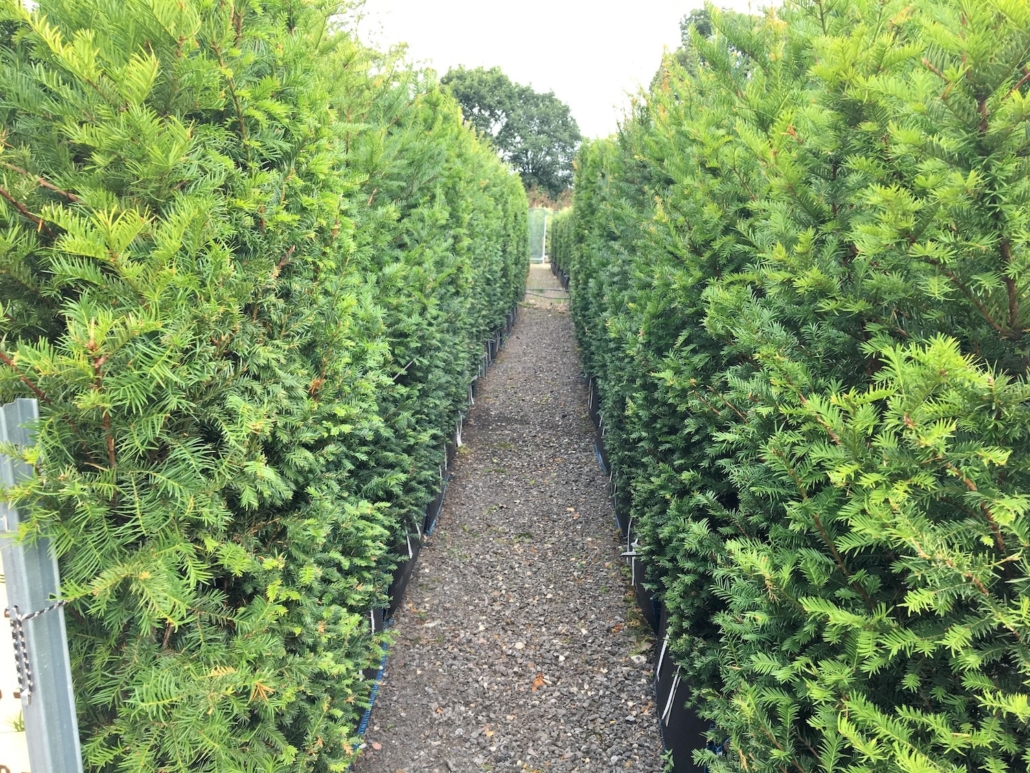
Hedge Trimming: Tips for Healthy and Well-Maintained Hedges
Keeping your hedges well-trimmed is essential for maintaining a tidy garden, promoting plant health, and ensuring safe and visually appealing outdoor spaces. Whether you’re managing a small backyard or a larger property, knowing when and how to trim your hedges can make a big difference.
Why Hedge Trimming Matters
Regular trimming helps hedges grow dense and healthy while keeping them neat and attractive. Well-maintained hedges also improve privacy, act as natural barriers, and can even reduce noise and pollution around your property.
Best Practices for Trimming Hedges
- Timing: Trim hedges outside of peak nesting season (usually March to August) to protect wildlife.
- Tools: Use the right equipment, from hand shears for smaller hedges to long-reach trimmers for taller growth.
- Shaping: Trim hedges with a slight taper — narrower at the top — so sunlight reaches lower branches, promoting healthy growth.
Legal Considerations
In England, hedgerow management rules prevent trimming hedges covered by regulations from 1 March to 31 August unless exemptions apply. These rules protect wildlife and preserve hedgerow ecosystems. For official guidance, see the government’s advice on hedgerow management:
👉 Hedgerow management rules – GOV.UK
Additionally, if a hedge overhangs a public road or footpath, local authorities may require it to be trimmed to maintain safety. Hampshire County Council provides guidance for overgrown vegetation affecting highways:
👉 Hampshire County Council – Vegetation obstructing the highway
Professional vs DIY Trimming
While smaller hedges can be trimmed by homeowners, large, overgrown, or hard-to-reach hedges are best handled by professionals. Expert trimming ensures safety, reduces risk to property, and produces a cleaner, more uniform finish.


Leave a Reply
Want to join the discussion?Feel free to contribute!